 Aguas Calientes City Guide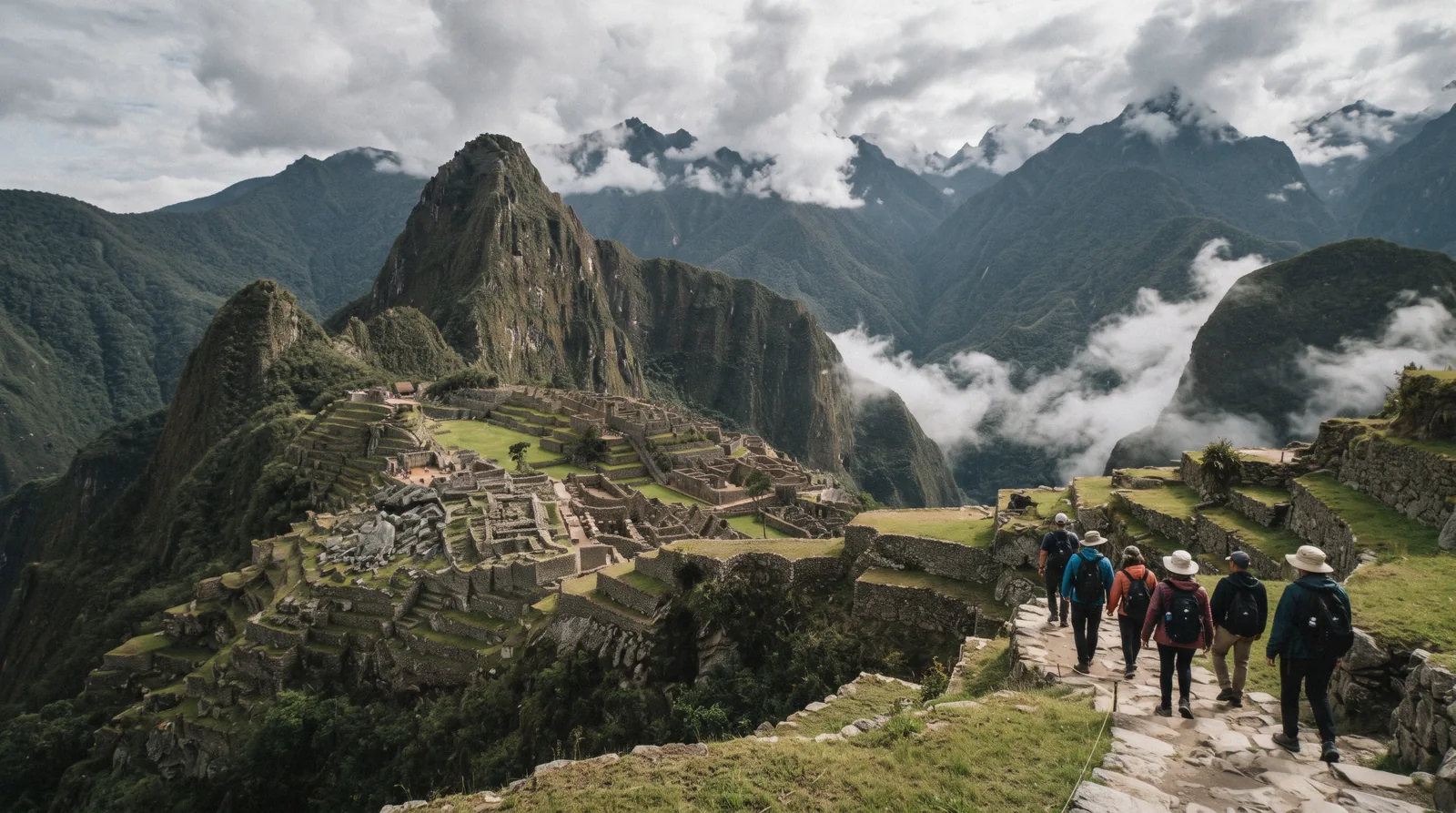
Best Time to Visit Machu Picchu
The best time to visit Machu Picchu is decided by rain far more than by temperature. Aguas Calientes sits at about 2,040 m in the Urubamba gorge, with the citadel gate at 2,430 m above it. SERNANP, the agency that manages the sanctuary, calls April to October the recommended season and November to March the rainy season. What makes this place unusual is that the thermometer barely moves. Average highs across the year run from about 19.7C to 21.1C, so a July morning and a January afternoon feel similar on your skin. What changes is the water. July gets 47.1 mm of rain across about 13 rainy days while January gets 296 mm across nearly 31. Pick your month by looking at those numbers, then read what to do in town and how the ticket system works.
Quick answer Short answer on the best months, plus the catch
The best month to visit Machu Picchu for most travellers is July. ERA5 climate data over Aguas Calientes shows July is the driest month, with 47.1 mm of rain on about 13 rainy days and an average high of 19.7C (67F). SERNANP recommends the wider April to October window, and June to August sit at its centre. The trade-off is demand, because the site allows up to 5,600 visitors a day in high season against 4,500 the rest of the year, so tickets sell further ahead. Rain is the only real weather variable here. Average highs stay between 19.7C and 21.1C all year, so you are choosing between wet feet and bigger crowds, not between hot and cold.
Key takeaways
- Dry months, April to October, are SERNANP's recommended season, with June to August the driest stretch
- The rainy season runs November to March, and the Inca Trail closes for the whole of February
- Hourly entry slots run 06:00 to 15:00, so a dawn start buys you the calmest light before cloud builds
- Budget the ticket and bus before you go, see current costs and the full activity list
Machu Picchu Weather by Month
These figures come from the ERA5 model grid cell over Aguas Calientes, covering 1995 to 2024. They are a reanalysis, not a weather station reading, which matters because there is no easily citable station normal for this valley. A rainy day here means at least 1 mm of rain. Average highs sit in a band of barely 1.4C across the whole year, so read the rain column first.
July is the driest month at 47.1 mm of rain on 13.1 rainy days. January is the wettest at 296 mm on 30.7 rainy days. Night-time lows drop to 11.0C in July against 14.5C in February. For the full dataset and how it was built, see our Aguas Calientes climate page.
Which Season Fits You
There is no single answer, only a trade-off between rain, crowds and what you want out of the day. This table lines up the four most common kinds of traveller with the months that suit them, using the same climate figures and the SERNANP season definitions above.
| Traveller | Months | Why | Trade-off |
|---|---|---|---|
| Photographers and clear-view seekers | June to August | July is the driest month, 47.1 mm on 13.1 rainy days, so the odds of an open view from the terraces are best | High demand, up to 5,600 daily visitors, and book well ahead |
| Shoulder-season walkers | May and September | Rain moderate at 88.7 mm and 107.4 mm, trails greener, temperatures near the annual average of about 20C | Afternoon showers still possible, so start early |
| Budget travellers in the rainy season | November to March | Fewer visitors chasing 4,500 daily slots and more last-minute flexibility on tickets and trains | 296 mm falls in January, so build wet-day plans in town |
| Trekkers timing the closure | March to October | The Inca Trail shuts every February, so permits and trail slots cluster either side of that month | Permits are capped at 500 a day and released each October, per Wikipedia |
The ticket and bus prices quoted on this page are our own card prices for the products listed below. Figuring out your season first makes everything else easier, because the circuit system you can book depends on the date you commit to.
The Dry Season and the Rainy Season, Month by Month
SERNANP splits the year cleanly. April to October is its recommended visiting season, November to March is the rainy season. The sections below walk through what each stretch of months actually feels like in the gorge, using the ERA5 figures and what the entry system does at different times of year.
The Dry Months, June to August
These three months are the driest of the year. June records 52.5 mm of rain on 15.1 rainy days, July 47.1 mm on 13.1 days, and August 66.3 mm on 17.2 days. The temperature never changes much, with average highs of 19.7C (67F) in June and July and 20.2C (68F) in August, but nights dip to the coolest of the year, 11.6C and 11.0C in June and July.
Around the archaeological site itself SERNANP gives temperatures of 14.5C to 16.5C, cooler than the valley floor below. Practically, this is the easiest weather and the hardest booking window. The site cap rises to 5,600 visitors on high-season days, and press describe the high season as running January, Easter week, June to November and the year-end, so slots from Cusco and Ollantaytambo go early.
Reserve the entrance ticket and your train well before you travel.
The Shoulder Months, April, May, September and October
These four months are the hinges of the year. April still carries 175.0 mm of rain on 28.1 rainy days, May drops sharply to 88.7 mm on 21.7 days, and September and October climb back through 107.4 mm and 171.2 mm. Average highs run 20.2C (68F) in May to 21.1C (70F) in October, the warmest average of the year.
SERNANP counts all four inside its recommended season, and that is the honest reading of the data. You get most of the dry-season benefit with less competition for slots, and the hillsides are greener after the wet months than in August. The practical line is to book your entry slot for the morning.
Cloud builds through the day in these months even when the morning is clear, and hourly entry slots run from 06:00 to 15:00, so an early slot gives you the best odds of light on the stones.
The Rainy Months, November to March, and the February Closure
November opens the wet season at 221.3 mm on 29.3 rainy days, December and January peak at 270.6 mm and 296.0 mm, and March tails off at 253.1 mm. February is wetter still in spirit, with 266.2 mm across 28.0 rainy days, and it carries a second constraint. Per Wikipedia, the Inca Trail closes every February for maintenance and cleaning, so classic trek permits simply do not exist that month.
That closure detail was sourced by another research group from Wikipedia and has not been re-verified against SERNANP here, so confirm before you plan a February trek. February is otherwise a normal month at the site. The citadel stays open, hourly slots continue, and Machu Picchu in February is a green, quiet, very wet experience.
Budget travellers do well here. The daily cap sits at its regular 4,500 outside high-season dates, and rain is a 30.7-days-a-month fact in January, not a surprise. Pack for it and the season is perfectly usable.
What the Season Changes on the Ground
Choosing a month is really choosing between three practical things, how many people share the citadel with you, which rules apply to your entry, and what goes in your daypack. Here is how the season moves each of them.
Slots and Crowds
Entry works the same way all year, but the pressure changes. There are 3 circuits and 10 routes since 1 June 2024, with hourly slots from 06:00 to 15:00. The daily cap is 4,500 in regular season and can rise to 5,600 on high-season days, which the press describe as January, Easter week, June to November and the year-end.
Note that this puts both July and January inside some definition of busy. Tolerance at the entrance also varies. You get a 30 minute window on your slot in regular season, extended to 45 minutes from 1 June to 15 October and on 30 and 31 December, and there is no tolerance at the mountain controls, so the Huayna Picchu and Machu Picchu mountain routes punish lateness in any month.
If tickets are gone for your dates, our page on sold-out Machu Picchu tickets sets out the realistic fallbacks.
What to Pack by Season
The temperature column barely helps you here, since average highs move less than 2C all year and the site itself sits around 14.5C to 16.5C per SERNANP. The rain column decides. In the dry months, June to August, rain falls on roughly 13 to 17 days a month, so a light rain shell covers the odd shower and a warm layer handles nights that reach 11.0C in July.
In the shoulder months, expect between 21.7 and 28.8 rainy days, so the shell earns its place daily and quick-drying footwear makes sense. In the rainy season, November to March, rain lands on 28 to 31 days a month and January alone totals 296 mm, so treat waterproofing as standard equipment rather than insurance. Whatever the month, remember the altitude context.
The gorge and citadel both sit below the CDC's moderate-altitude band of 2,450 m, so the gear list is about water and mud, not oxygen. Our notes on altitude in Aguas Calientes explain that distinction in full.
Booking for Your Season
Once you know your month, the booking order is simple. Fix the date and circuit, buy the entrance, then sort the bus and any tour around it. Figures current in Q3 2026.
 from $43.00
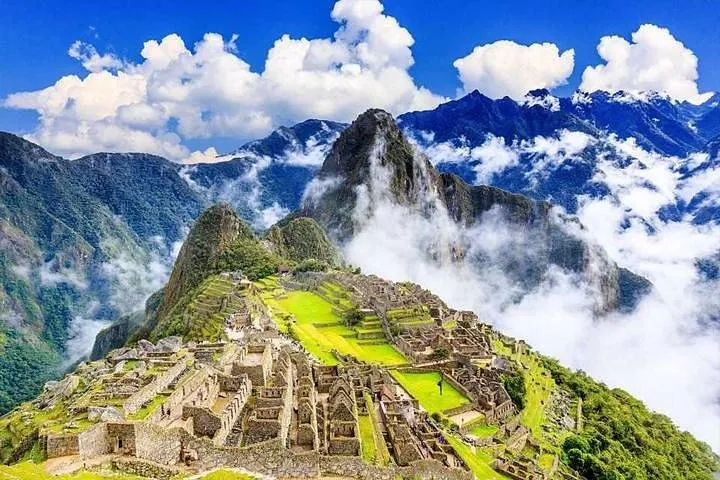
Machu Picchu Entrance Ticket
MachuPicchu.Center sells the official entrance ticket alone for the circuit you choose, with the private guide and bus only bundled in on the separate 2-day Circuit 2 commitment option. All sales are final, so double-check your date and circuit before paying.
Check Availability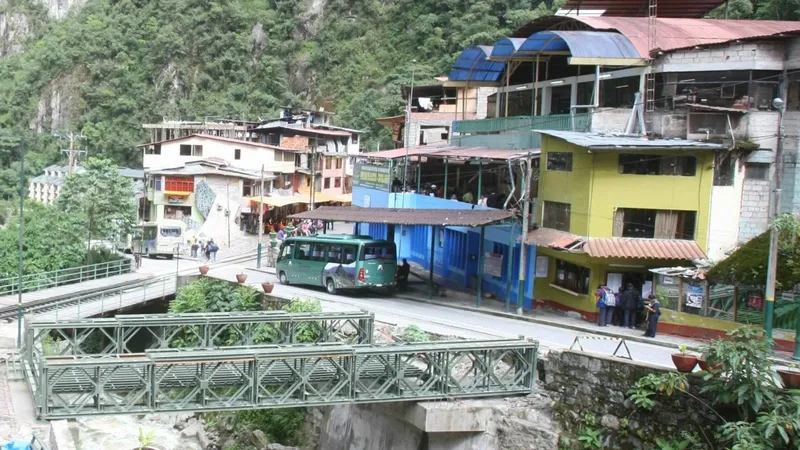 from $19.00
Aguas Calientes: Bus Transfer to Machu Picchu Citadel
Peru & U's local partner reserves your one-way or round-trip bus ticket between Aguas Calientes and the Machu Picchu citadel gate and emails it to you, skipping the ticket-booth line in town. It's non-refundable once booked, so pick your date carefully.
Check Availability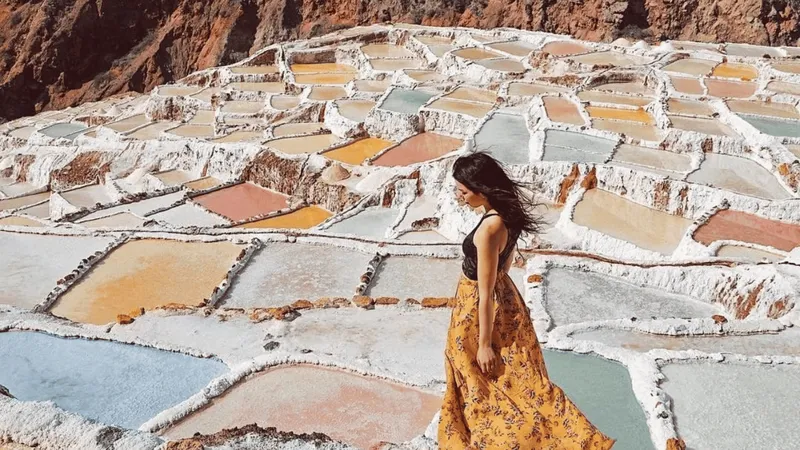 from $499.00
From Cusco: Sacred Valley & Machu Picchu 2-Day Tour by Train
Fly Cusco Peru covers the Salt Mines, Maras, Moray, Urubamba, Ollantaytambo and a local house visit in Chinchero on day one, then Machu Picchu on day two, in a small group capped at 10 with hotel-door pickup in Cusco. It's non-refundable once booked.
Check AvailabilityPrices, ratings and details are the platform's own. Dollar figures are the listed prices. The platform bills in your account's currency.
Best Time to Visit Machu Picchu Questions
What is the best month to visit Machu Picchu?
For most travellers, July. ERA5 data over Aguas Calientes shows it is the driest month of the year, with 47.1 mm of rain across 13.1 rainy days, and an average high of 19.7C (67F). SERNANP recommends the whole April to October window, so June and August are nearly as good on weather, and May or September trade a little more rain for easier availability. The cost of the driest months is demand, since the site can admit up to 5,600 visitors a day on high-season dates against the regular 4,500 cap.
How many days do I need at Machu Picchu in each season?
Most itineraries give the citadel one full day, and the entry system is built around that, with a single timed slot between 06:00 and 15:00. In the dry season one day is usually enough, because the odds of clear views are at their best. In the rainy season a buffer day is worth real money in peace of mind. January rain falls on 30.7 days of the month, so a second morning gives you a fallback if your first slot meets a downpour. Our guides to one day in Aguas Calientes and two days in town show both shapes of trip.
Is February a good time to visit Machu Picchu?
For the citadel itself, it is workable but wet. February averages 266.2 mm of rain on 28.0 rainy days with an average high of 20.4C (69F), so every day carries a real chance of rain and the payoff is green hills and thinner crowds. For trekkers there is a hard limit. Per Wikipedia, the Inca Trail closes every February for maintenance and cleaning, and that closure detail was carried here from a Wikipedia source and not re-verified against SERNANP, so check directly if a February trek is central to your plan. Alternative routes such as the Inca Jungle trek run outside the closed trail network.
Is the rainy season worth it?
It can be, if you go in knowing the odds. Machu Picchu in rainy season means showers on roughly 28 to 31 days a month, 4,500 daily visitors at the regular cap rather than 5,600, and more room to book trains and rooms on shorter notice. The temperature is no punishment, since average highs hold near 20.4C to 20.9C (69F to 70F) through those months. Pack a proper rain shell, keep one flexible day, and put wet-weather backups in town on the list from our rainy day guide.
When should trekkers plan around the seasons?
Two dates matter. February, when per Wikipedia the Inca Trail closes entirely for maintenance and cleaning, and October, when the following year's permits are released, since the government caps the trail at 500 people a day, only about 200 of them trekkers, and permits are sold through licensed agencies and tied to a passport. The trail itself runs from roughly 5C to 18C per SERNANP, cooler than the valley, and crosses Dead Woman's Pass at 4,215 m. If the classic trail is booked or closed, our overview of Machu Picchu treks covers the routes that stay open, or see the Inca Trail page for permit detail.
Prices, hours and terms are set by the venue or operator and confirmed at checkout.
We may earn a commission if you book through one of our links, at no extra cost to you. Full affiliate disclosure