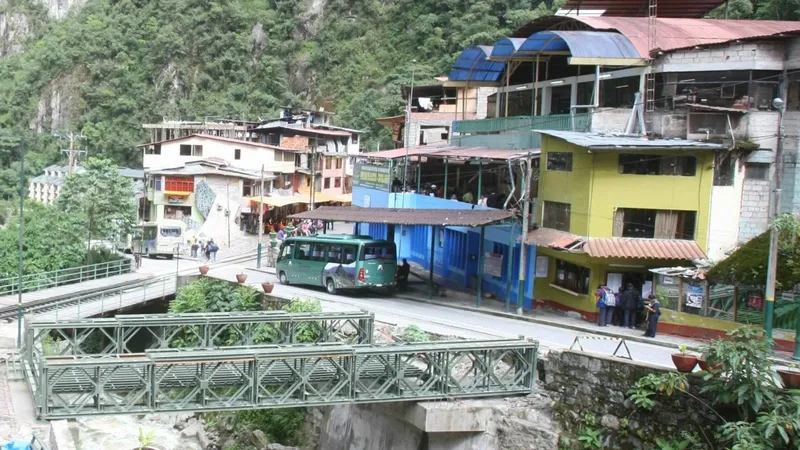
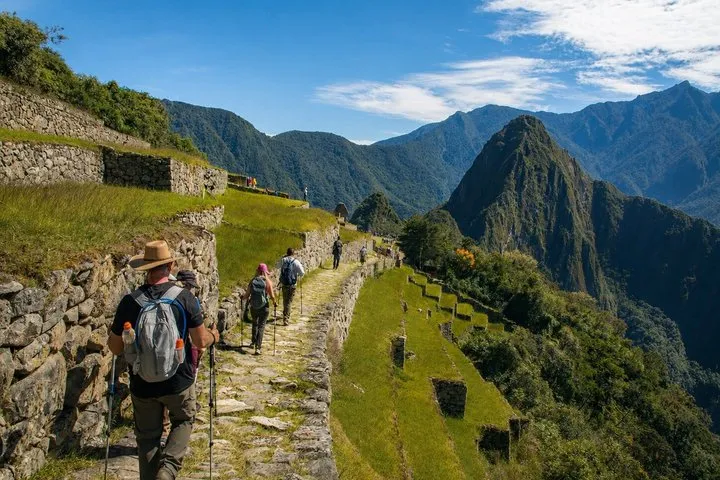
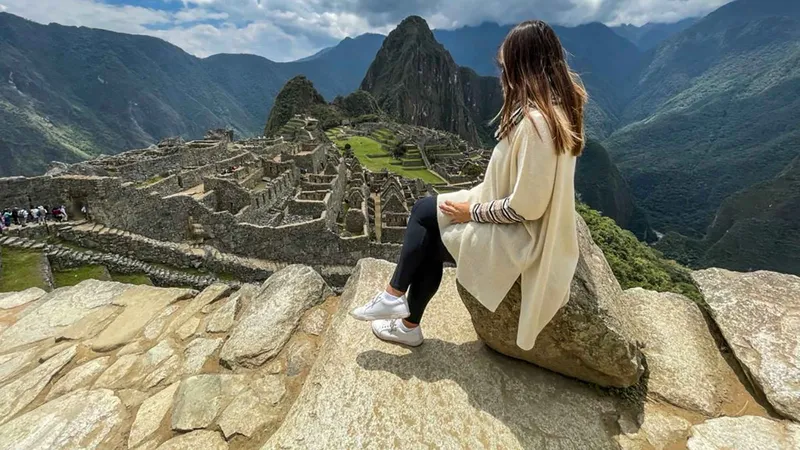
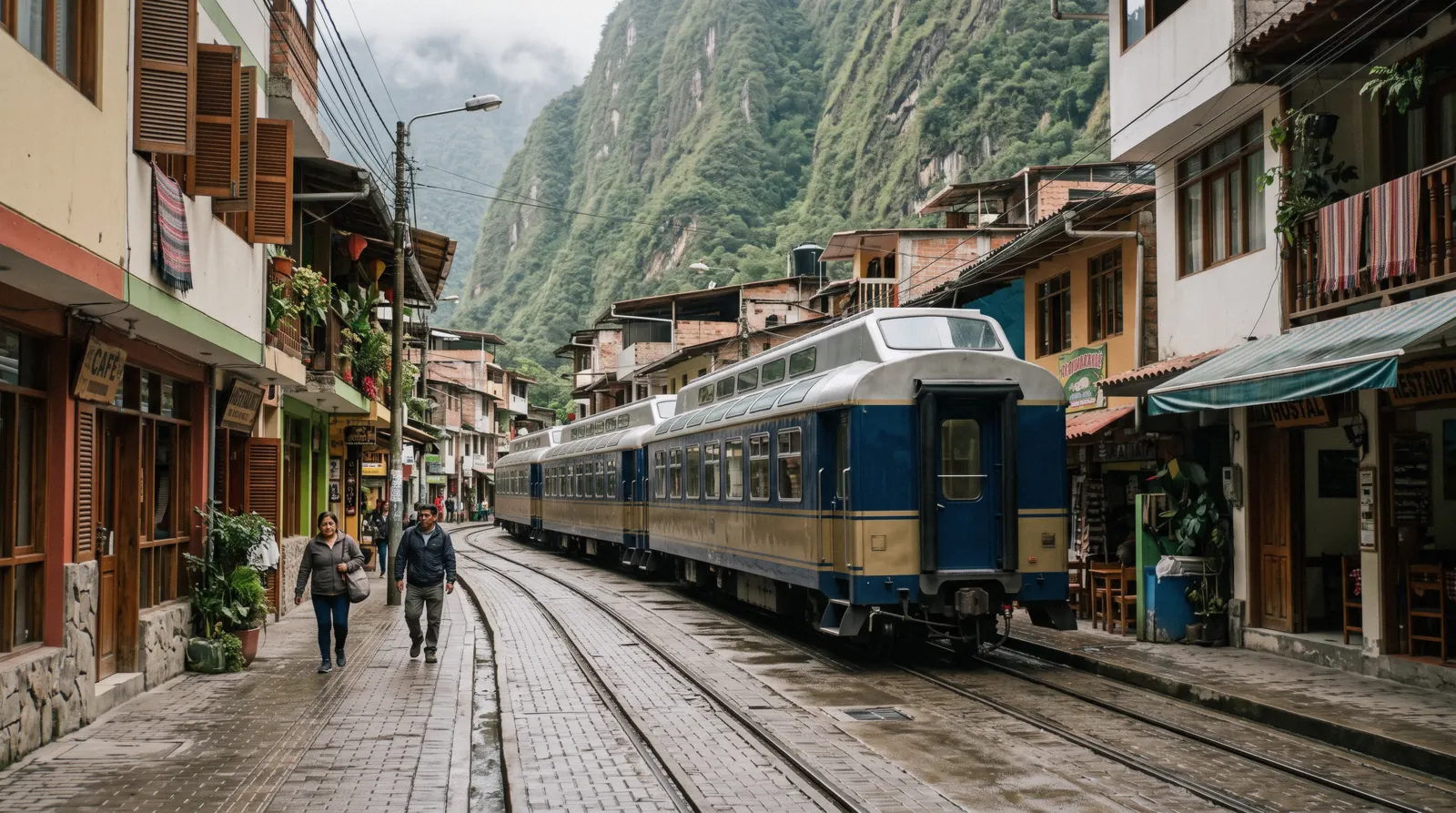
Aguas Calientes in the Urubamba gorge at first light, the railway running between the houses under the forested granite walls below Machu Picchu, Aguas Calientes, Peru
Aguas Calientes, Peru: An Independent Guide to Machu Picchu Town
Aguas Calientes, Peru, officially Machupicchu Pueblo, is the railway town at the bottom of the Urubamba gorge, about 2,040 m above sea level and directly below Machu Picchu. No road reaches it. You arrive by train from Cusco or Ollantaytambo, or on foot at the end of a trek, and you go up to the ruins by bus or on a steep path. This guide settles the three decisions that shape the trip: which circuit and entry time to book, how to get up the hill, and which train and how much luggage.
Quick answerHow many nights, which ticket, bus or walk, what to pack
Aguas Calientes is the railway town under Machu Picchu, reached only by train or on foot, and the entry ticket on this site is US$43.00 with the bus up at US$19.00. One night is enough for a single morning at the ruins. Two nights let you add a mountain climb or an unhurried afternoon. The ticket is for one circuit and one timed slot, with 2 hours 30 minutes inside and no re-entry.
Key takeaways
The ruins sit at 2,430 m, about 390 m above the town, our sum, and you cover that by bus or on foot. The entry system, in force since 1 June 2024, splits the site into three circuits and 10 routes.
The town is small and everything on this list starts from the railway street or the bus stop. These six pages own the detail for each place.
The Citadel
Machu Picchu is the Inca citadel on the ridge above the town, part of a mixed cultural and natural property inscribed by UNESCO on 9 December 1983. It sits inside a protected sanctuary of 32,592 hectares. Since 1 June 2024 entry runs on 3 circuits and 10 routes with a daily cap of 4,500 visitors, up to 5,600 in high season. Book a circuit and slot, then ride or walk the road up.
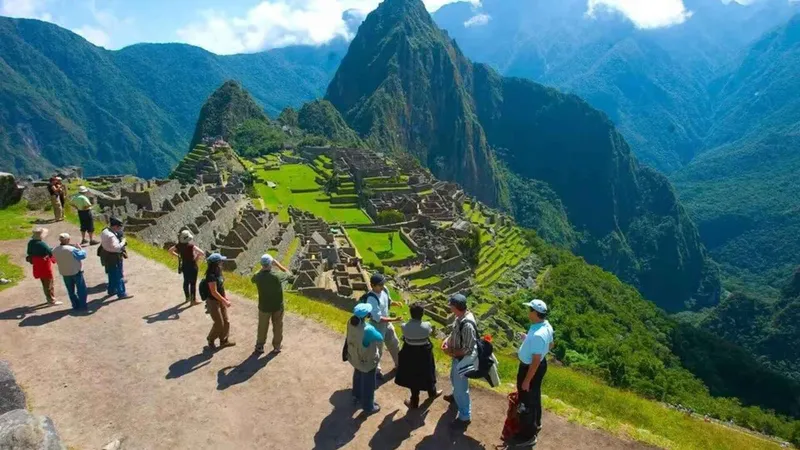
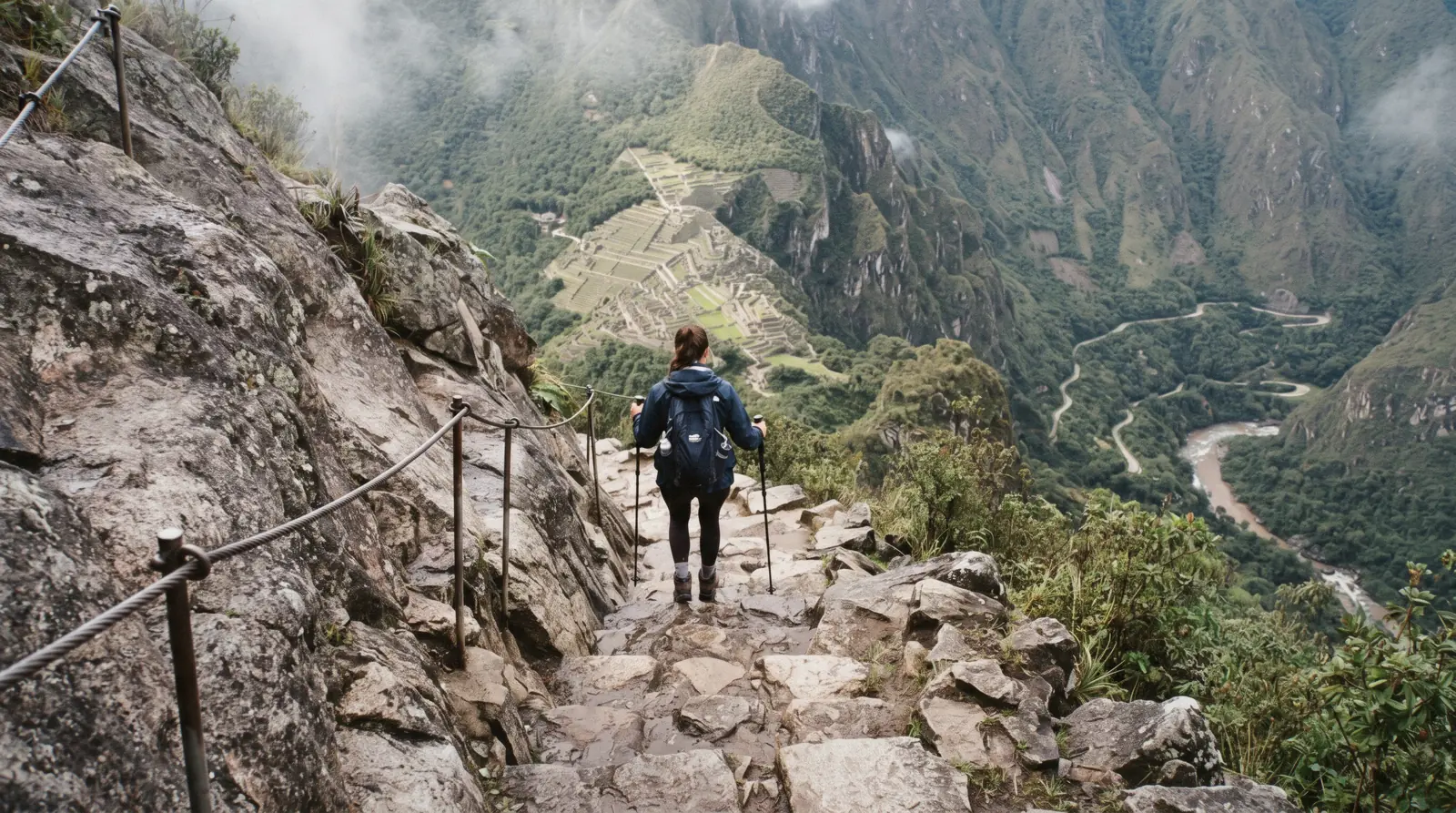
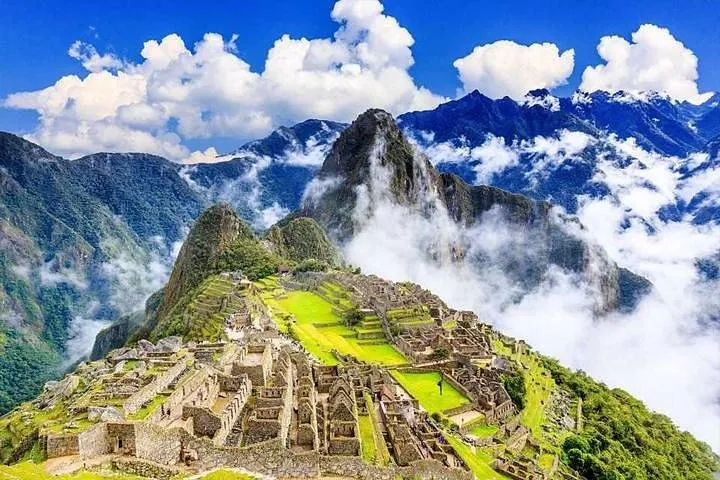
Huayna Picchu is the pointed peak in the background of the classic photos. It is Route 3-A, on Circuit 3 Royalty, with entries at 07:00 to 07:30 or 10:00 to 10:30 and a required return from the summit by 13:00. There is no tolerance at the mountain control, so arrive at your exact time.
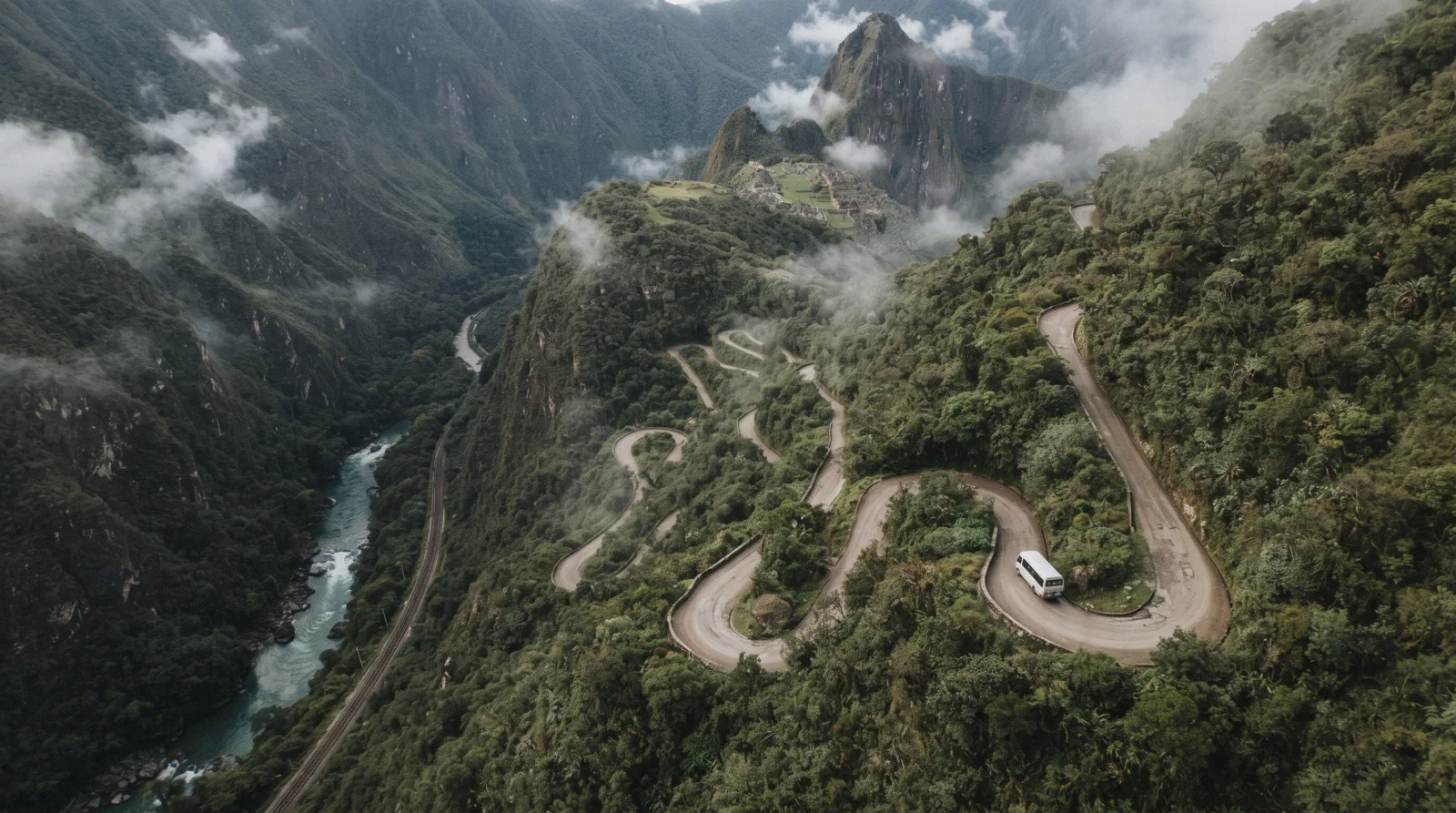
Two ways cover the roughly 390 m between town and gate, our sum. The bus climbs the Hiram Bingham road's hairpins, a ride the booking card lists at 30 minutes. The stair path takes about 90 minutes, a figure from Wikipedia, and it is steep.
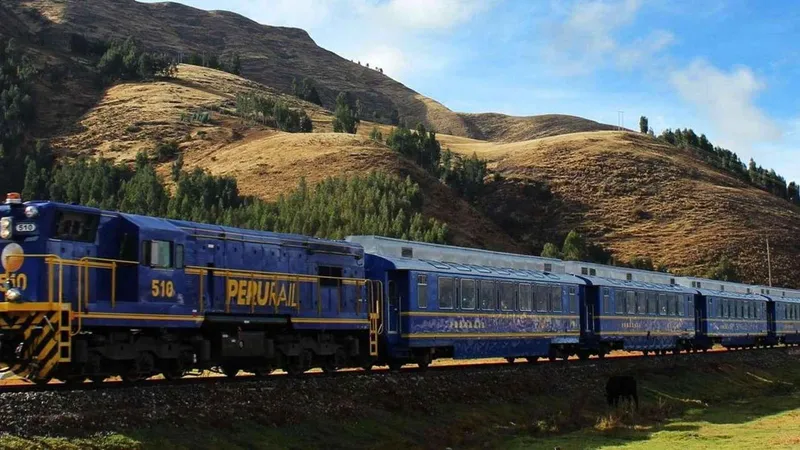
The tracks still run through the middle of town, a leftover from the railway workers' camp that became Aguas Calientes. Quechua speakers called the settlement Maquinachayoq, place with a little train, and the line was finished in 1931. Trains from PeruRail and Inca Rail stop at Machu Picchu station here, never at the ruins themselves. One carry-on of at most 8 kg per passenger.
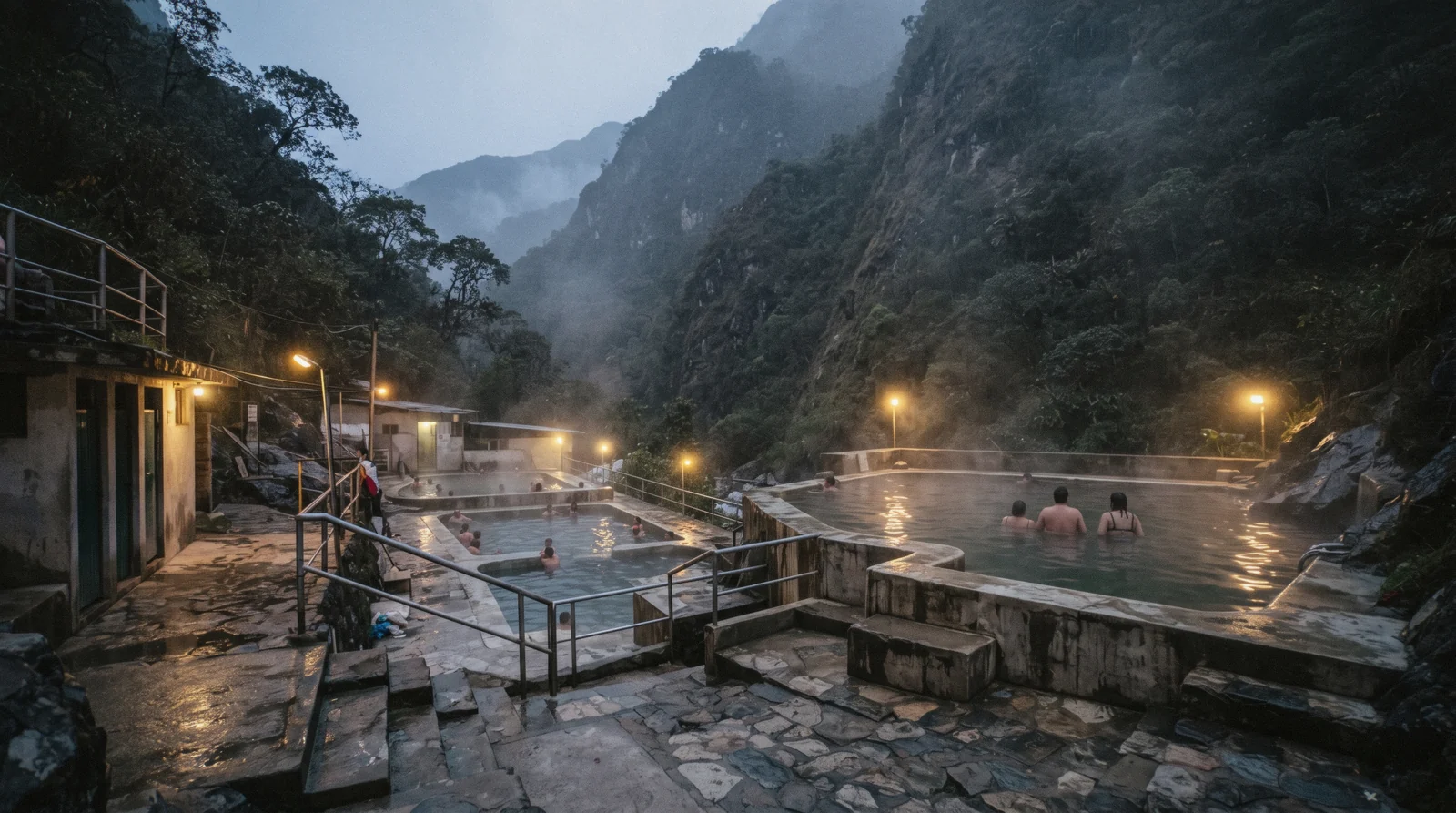
The town's Spanish name means hot waters, after these springs. The pools sit at the top end of town under the canyon walls, and they are the natural soak after the ruins. Hours and fees are not published on any official site, so ask in town before you go.
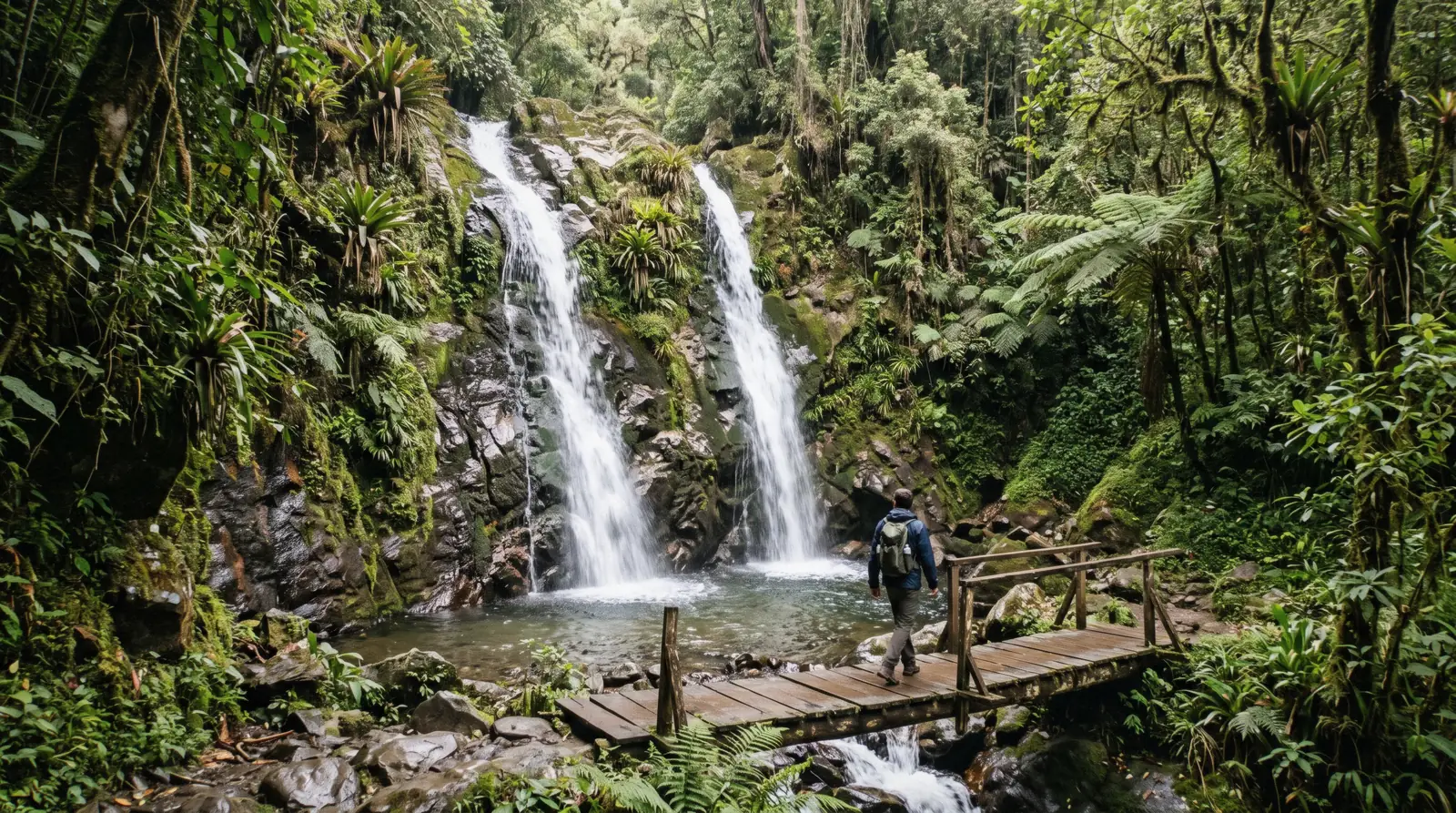
On the free afternoon after a morning circuit, the river path out of town leads toward the Mandor waterfall, through the forest at the edge of the sanctuary. Putucusi is the green peak across the river from town, with a ladder trail up its flank. Its trail status is not published on any official site, so ask in town before you commit.
Six places cover a stay of one or two nights, and each has its own page with the full detail. The wider list lives on things to do in Aguas Calientes.
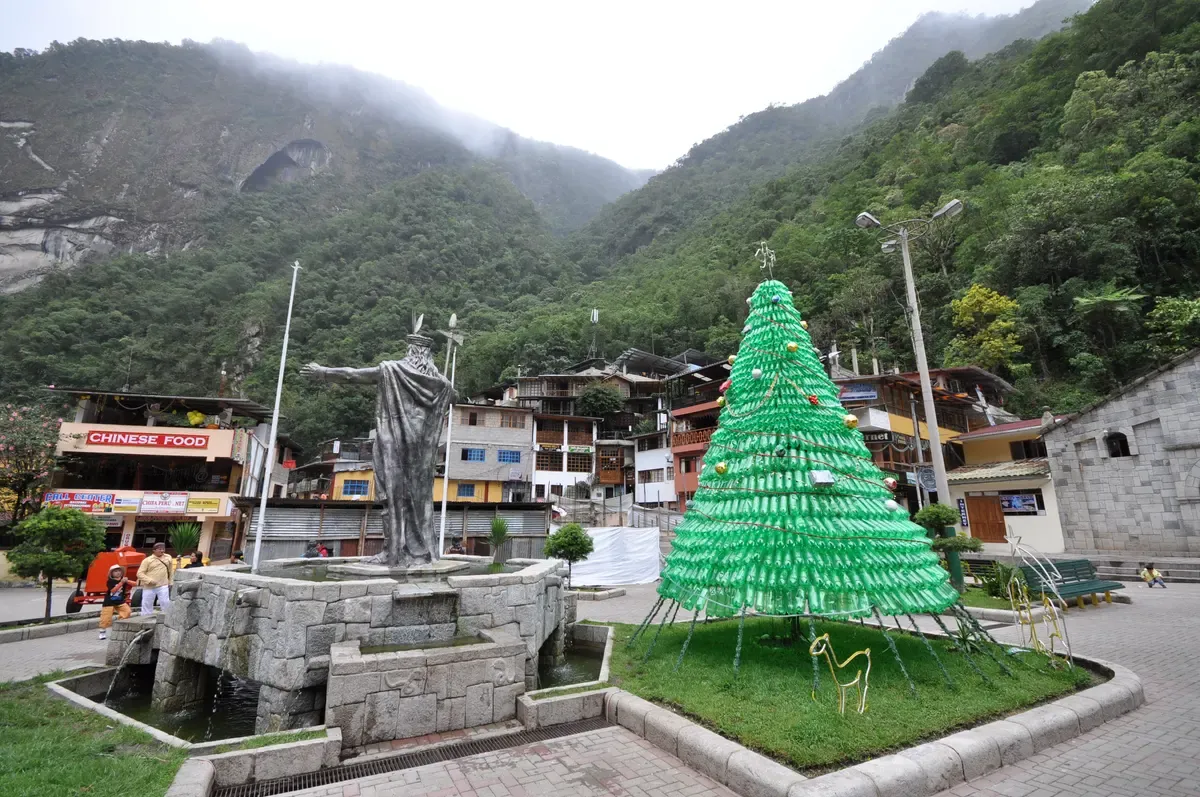
The statue of Pachacutec on the Plaza de Armas, dressed for Christmas with a tree built from bottles. Photo: Jorge Láscar from Australia, CC BY 2.0, via Wikimedia Commons
The Town and Its Railway
Aguas Calientes began as a farming settlement in 1901, then grew into a railway workers' camp while the line was pushed up the gorge. The Quechua name was Maquinachayoq, place with a little train, and the line was finished in 1931. The district of Machupicchu Pueblo was created on 1 October 1941.
Today the town holds about 4,525 people, from the 2017 census, on the Vilcanota River at about 2,040 m, and the tracks still split the main street in two. Start with the town map and the station guide at Aguas Calientes train station.
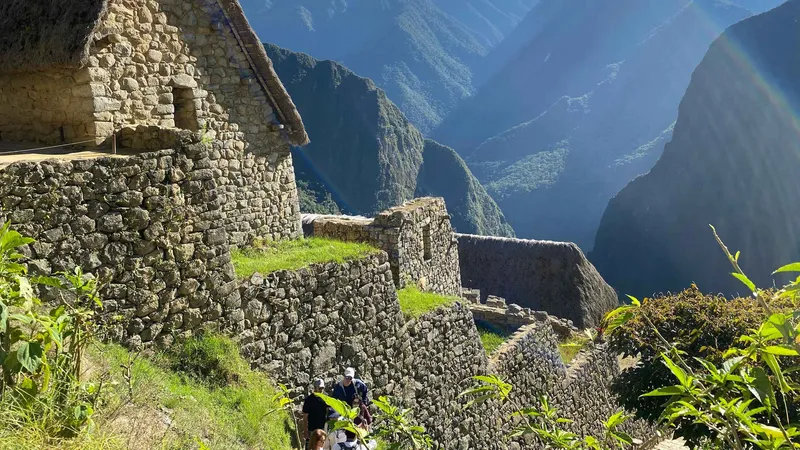
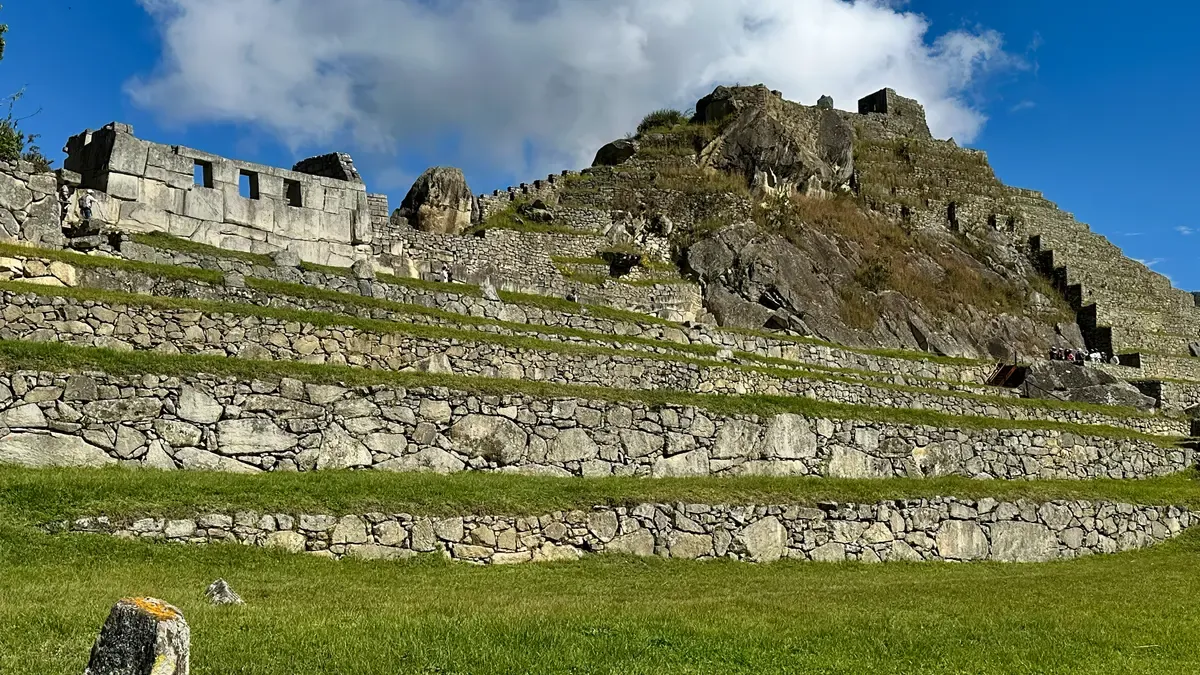
The Temple of the Three Windows and the terraces below the Intihuatana hill, on Circuit 2. Photo: Steve FUNG, CC BY-SA 4.0, via Wikimedia Commons
Machu Picchu, the Citadel
The citadel stands at 2,430 m on a saddle between Huayna Picchu and Machu Picchu Mountain, about 390 m above the town, our sum. It was inscribed by UNESCO on 9 December 1983 as a mixed property, and the Historic Sanctuary around it covers 32,592 hectares. Entry has run on 3 circuits and 10 routes since 1 June 2024, each route with a timed slot, 2 hours 30 minutes inside on the standard routes and no re-entry.
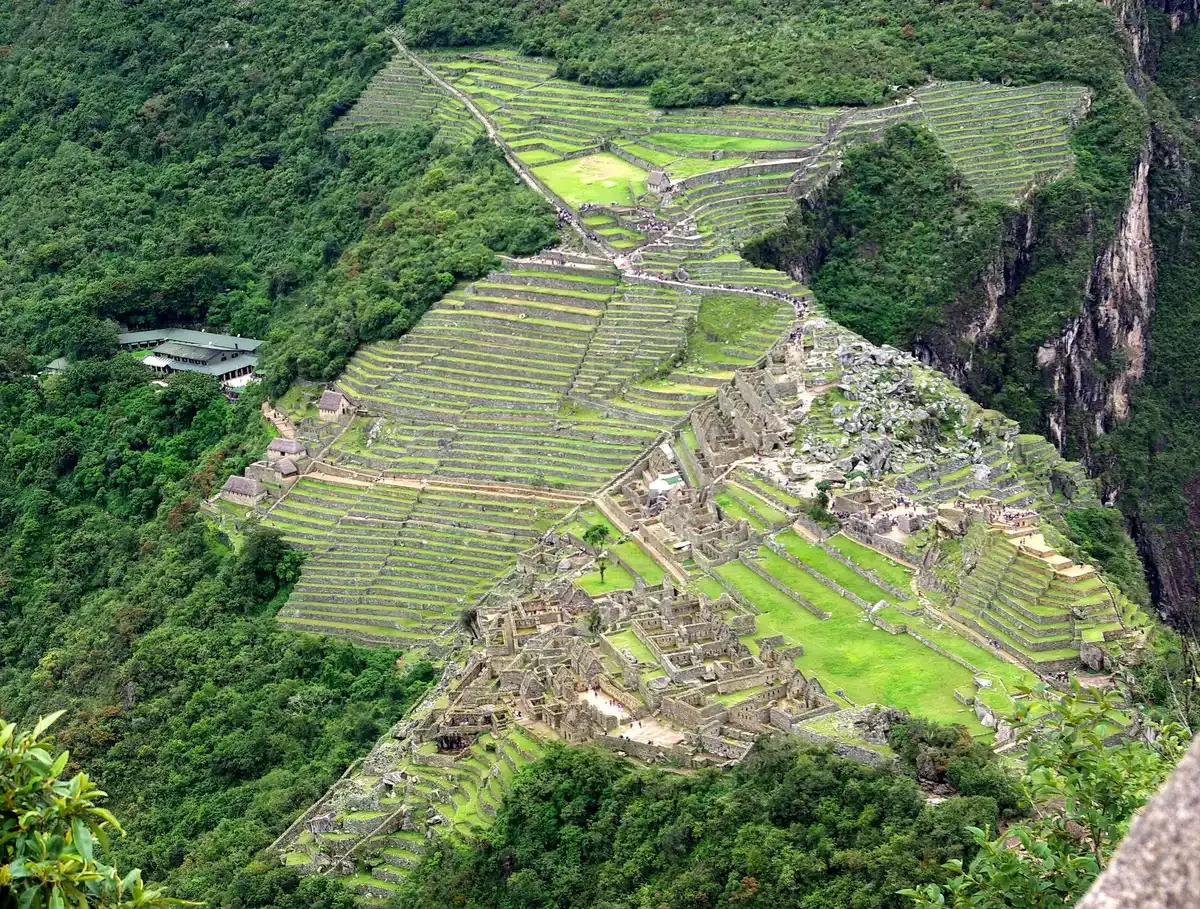
Machu Picchu from the summit of Huayna Picchu, the entrance at far left and the Sun Gate path at the top. Photo: Steve Bennett, CC BY-SA 3.0, via Wikimedia Commons
Huayna Picchu
Huayna Picchu is the peak behind the ruins in most photographs. It is Route 3-A on Circuit 3 Royalty, sold as its own ticket on top of the circuit choice. Entry turns run at 07:00 to 07:30 and 10:00 to 10:30, and you must be back down from the summit by 13:00.
There is no tolerance at the mountain control, unlike the standard 30 or 45 minutes at the main gate, so a late arrival forfeits the climb. Book it only if you will sleep in town the night before. Read the climb in full at Huayna Picchu and the ticket detail at Huayna Picchu tickets.
Machu Picchu Mountain and the Sun Gate
Machu Picchu Mountain is the peak on the opposite side of the site, with entries at 07:00 to 07:30 or 09:00 to 09:30 and the same hard 13:00 summit-return deadline. It is Route 1-A on Circuit 1 Panoramic. If you skip the mountain, two short routes on the same circuit reward you: Inti Punku, the Sun Gate where Inca Trail hikers first see the ruins, about 2 hours return, and the Inca Bridge, about 1 hour return.
The Manuel Chávez Ballón site museum is the Ministry of Culture's site museum for the sanctuary. Entry is free from 12:00 to 16:00, an official figure, which makes it the natural stop after a morning circuit on your way back down. Full detail at the Machu Picchu site museum.
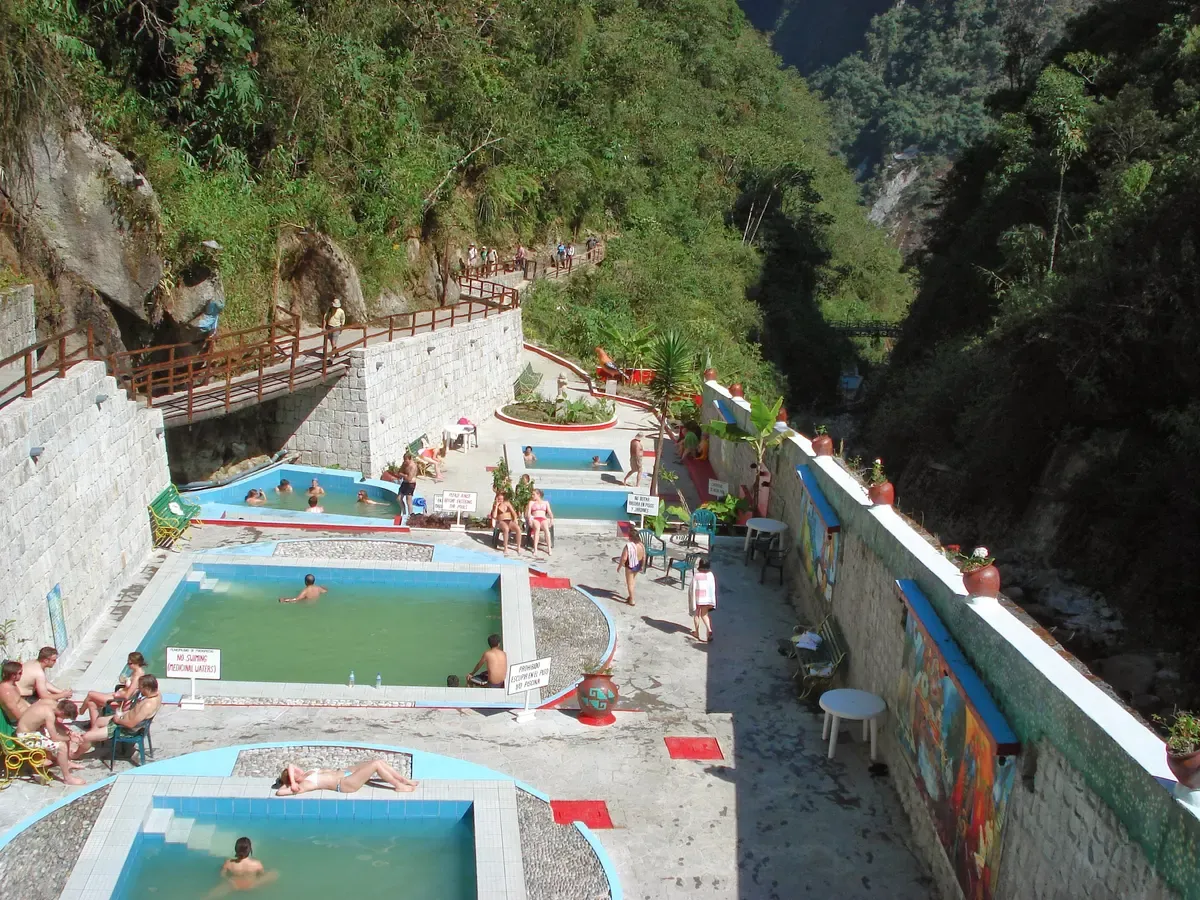
The thermal pools at the top end of town, walled in by the gorge. Photo: Robert Meszaros, CC BY 3.0, via Wikimedia Commons
The Hot Springs
The springs gave the town its Spanish name, which means hot waters. The pools sit at the top end of town, with the canyon walls rising behind them. After a morning on the circuits, or a day walking in from Hidroeléctrica, they are the softest landing in town.
No official municipal page publishes the hours or the fee, so treat any figure you read elsewhere as unconfirmed and check at the entrance. Detail at the Aguas Calientes hot springs.
What People Book First in Machu Picchu Town
The listed prices below are the platform's listed US-dollar figures for the cards on this site. Most bookings here are the entry ticket, the bus up and a guide for the ruins, in that order.
from $43.00
Machu Picchu Entrance Ticket
★★★★★★★★★★4.3(143 reviews)· 24 hours to 3 days (issuance window)
MachuPicchu.Center sells the official entrance ticket alone for the circuit you choose, with the private guide and bus only bundled in on the separate 2-day Circuit 2 commitment option. All sales are final, so double-check your date and circuit before paying.
Aguas Calientes: Bus Transfer to Machu Picchu Citadel
★★★★★★★★★★4.6(175 reviews)· 30 minutes
Peru & U's local partner reserves your one-way or round-trip bus ticket between Aguas Calientes and the Machu Picchu citadel gate and emails it to you, skipping the ticket-booth line in town. It's non-refundable once booked, so pick your date carefully.
This is a guide-only group tour, limited to 10 people, and it does not include the Machu Picchu entrance ticket, so book that separately before your date. Cancel up to 24 hours ahead for a full refund, and pay nothing until your spot is confirmed.
Treppid Travels bundles the official entrance ticket with a 2 to 2.5-hour guided tour in a small group of up to 9, plus an optional round-trip bus from Aguas Calientes at booking. The circuit is assigned by availability, not chosen by the traveler, and the ticket is non-refundable once issued.
Trip Tour books the scenic train ride from Cusco toward Aguas Calientes, the gateway to Machu Picchu, with pickup included. Cancel up to 24 hours ahead for a full refund, and note that availability is limited on this route.
2-Day Inca Trail to Machu Picchu with VistadomeTrain
★★★★★★★★★★5.0(2,081 reviews)· 2 days
TreXperience takes the train to Km 104, hikes past Chachabamba and Wiñaywayna to the Sun Gate for a sunset view, and overnights in a shared twin room at a 3-star hotel before touring the citadel the next day. Safety gear including a satellite phone, first-aid kit and oxygen tank is carried on the hike.
Prices, ratings and details are the platform's own. Dollar figures are the listed prices. The platform bills in your account's currency.
If You Only Have One Day Here
The day is not shaped by the town. It is shaped by your entry slot.
The Rule the Day Turns On
Your ticket names one circuit and one hourly slot, from 06:00 to 15:00, and gives you 2 hours 30 minutes inside from your entry time with no re-entry. That single window decides when you ride the bus up, when you come down and which train you can catch out. Tolerance at the gate is 30 minutes in regular months and 45 minutes from 1 June to 15 October and on 30 and 31 December, but there is no tolerance at the mountain controls.
And remember the train's bag rule: one carry-on per passenger, at most 8 kg, so anything bigger waits in storage.
The Early-Slot Day
Sleep in town the night before, so the day starts at the bus stop in town instead of on a train platform. Take a 06:00 or 07:00 slot, ride the bus up in the dark and be inside when the mist lifts off the terraces. By 09:30 you are out, with the whole afternoon left.
The site museum is free from 12:00 to 16:00, or you can soak at the hot springs before the afternoon crowd, then walk down to the station.
The Day Trip From Cusco
It can be done in one day, but the numbers are hard: the train from Cusco runs 111 km and takes about 4 h 10 min each way, per SERNANP, so a same-day visit spends about 8 h 20 min in transit, our sum, for one 2-hour-30-minute circuit. It works only if the entry slot and the train times lock together. The bundled option removes the juggling, and the full comparison of what fits in a day is on the Machu Picchu day trip from Cusco page.
The Mountain Day
Huayna Picchu entries run at 07:00 to 07:30 or 10:00 to 10:30, and you must be back from the summit by 13:00. From Cusco that leaves no margin, because the train alone takes 3 h 30 min to 4 h 30 min and there is no tolerance at the mountain control. A night in town turns it into a civilised day: bus up early, the mountain climb first, then your circuit time in the citadel below.
The right plan depends on how many hours you actually have, and the rainy season changes the arithmetic again because afternoons wash out. The table below is the blunt version.
If you have
Keep
Drop
One night in town
An early circuit and the museum or hot springs in the afternoon
The day-trip rush, and the 4 h 10 min train each way from Cusco
A same-day trip from Cusco
One standard circuit in a midday slot, booked long ahead
A mountain climb, the museum, and any slack at all
A rainy-season day
A morning slot, a rain shell and dry shoes for the evening
The afternoon, the Sun Gate route and any long walk
A day with a mountain ticket
A night in town before, the exact mountain entry time, the summit return by 13:00
A late start, and any second route on the same morning
Both plans assume a timed slot bought in advance, the bus up and the 8 kg bag rule on the train, so read them after you have picked your circuit.
How Many Nights the Town Needs
Aguas Calientes is a base, not a destination in itself, so the honest answer depends entirely on what you booked for the ruins. One circuit fits a single night. Each extra night buys a mountain, a museum morning or the river walks. The table gives the blunt trade-off.
Nights
What fits
What you give up
Plan it
No night, day trip from Cusco
One standard circuit in a midday slot, with the 111 km train each way, about 4 h 10 min per SERNANP
The early light, a mountain climb, the museum and any calm at all
The deciding fact is the ticket: one circuit, one timed slot, 2 hours 30 minutes inside and no re-entry.
Circuit 1, 2 or 3: Choosing the Way In
The Three Circuits
The Ministry of Culture reorganised entry on 1 June 2024, by Ministerial Resolution No. 000528-2023-MC, splitting the citadel into 3 circuits and 10 routes. You buy one route, not the whole site, and the circuit you pick decides which stones you stand in front of. Circuit 2 is the classic postcard walk past the Main Temple and the Temple of the Three Windows.
Circuit 1 runs the high outer terraces and carries the mountain and Sun Gate options. Circuit 3 loops the lower, royal sector and is the only one with Huayna Picchu. The full route-by-route breakdown is on the circuits page.
Circuit
Routes
What you see
Mountain option
Circuit 1 Panoramic
1-A, 1-B, plus 1-C and 1-D in high season
Upper and lower terraces by the Guardian's house, the platforms before the Inca Bridge sector
Machu Picchu Mountain, 1-A, plus Sun Gate and Inca Bridge routes in high season
Circuit 2 Classic
2-A, 2-B
The urban sectors, Llaqta Punku, the Main Temple, the Temple of the Three Windows, the Sacred Rock
None, this is the classic walk without a climb
Circuit 3 Royalty
3-A, 3-B, plus 3-C and 3-D in high season
The Temple of the Sun, the Inca's House, the water fountains and water mirrors
Huayna Picchu, 3-A, and Huchuy Picchu, 3-D, in high season
The Time Rules
Entry slots run every hour from 06:00 to 15:00. Arrival tolerance is 30 minutes in regular months, rising to 45 minutes from 1 June to 15 October and on 30 and 31 December. Standard routes allow 2 hours 30 minutes inside from your entry time, and re-entry is not permitted except for force majeure, so a forgotten phone is a problem.
The daily cap is 4,500 visitors in the regular season and up to 5,600 in high season, which is why popular slots sell out. The conduct and timing rules are gathered on the rules page.
The Mountain Tickets
Huayna Picchu and Machu Picchu Mountain are sold on top of a circuit ticket, with their own entry turns. Huayna Picchu takes you in at 07:00 to 07:30 or 10:00 to 10:30, Machu Picchu Mountain at 07:00 to 07:30 or 09:00 to 09:30, and both demand a return from the summit by 13:00. There is no tolerance at the mountain controls, unlike the main gate, so the time is exact.
The Ministry of Culture sells tickets in person at its office in Aguas Calientes, up to 1,000 a day. Those tickets are valid for entry the NEXT day only, never the same day, so walking into town ticketless in the morning does not get you up the hill that afternoon. It is a fallback, not a plan, and it is why sold-out dates strand so many day trippers.
Book the slot online before you travel.
Your Name and Your Passport
The ticket is name-locked and date-locked, with no name changes and no refunds except force majeure. The passport is checked against the ticket at the gate, so travel with the same document you booked under. A mistyped passport number can be corrected as an exceptional fix, but a genuine name change cannot.
The full entry conditions sit on the rules page. Book with the exact spelling on the passport you will carry, and keep the ticket and the passport together in the same pocket for the gate, because the check happens before the turnstile and there is no desk behind it to fix anything.
The Bag and the Banned List
The Ministry's conduct rules ban bags over 40 x 35 x 20 cm inside, along with food, tripods, selfie sticks, walking sticks, drones, hard-soled shoes, strollers, smoking and vaping, and loud music. That is smaller than most daypacks, so check yours before you leave the hotel. Big luggage waits in town, and the storage options page lists where.
Food stays outside, so eat before your slot and carry water only. The bag limit is the one people fail most, and the rule applies to the bag, not to what is in it, so a half-empty big pack is still refused.
Strikes and a Blocked Railway
There is no road, so when the rail line stops, the town is cut off. Build a buffer day around any hard flight connection out of Cusco, and keep an eye on local news the week you travel. The pattern and the workarounds are on transport strikes.
Keep your train booking flexible where the fare allows it, hold the entry ticket for a day that leaves a spare day after it, and read the operator's service notices the day before you travel. The full list of what to check is on the strikes page.
Bus or Walk: The Last 400 Metres Up
The Bus
Strictly the gap is 390 m of altitude, the gate at 2,430 m minus the town at about 2,040 m, our sum, but the road earns every metre with its string of hairpins up the Hiram Bingham road. Consettur runs the service, and a second operator has been reported, so never assume only one queue. The booking card lists the ride at 30 minutes.
Our card, the bus transfer booked ahead, is US$19.00 and emails your ticket so you skip the booth line in town. The operator's own site does not publish first and last departures to outside readers, so confirm on the ground. Detail at the Machu Picchu bus.
The Walk
The stair path from town to the gate takes about 90 minutes, a figure from Wikipedia, climbing through humid forest beside and below the bus road. It is steep, the steps are uneven stone and concrete, and the gate stands at 2,430 m, so pace yourself. Walking up before an early circuit means starting in the dark, so bring a headlamp.
A guide is what turns terraces and walls into a story. Guides are recommended, not mandatory, and you hire them inside or book ahead. The group guided tour costs US$30.00 for up to 10 people, without the entrance ticket, and the ticket-plus-guided-tour bundle costs US$136.00 with entry included and a small group of up to 9. Both run about three hours.
Compare all options on Aguas Calientes tours. A guide also keeps you on your route and inside your 2 hours 30 minutes, which matters when the standard routes allow no re-entry.
Eating in a Town That Feeds Day Trippers
What Peru Cooks
The Andean kitchen here is not the coastal one. Ceviche belongs to the Pacific, hundreds of kilometres away, while the highlands cook trout, quinoa, potatoes and cuy, guinea pig. Pisco sour, the grape brandy cocktail, is the drink you will be offered.
This guide names no restaurant until it can cite a published guide, because anyone can list eateries and nobody here can verify a kitchen. What can be said is practical: plan lunch around your entry slot, because food is banned inside the ruins. See where to eat and Aguas Calientes at night.
One Night or Two: Where to Sleep
Why sleep in town
A night here converts a transit stop into an early start. A 06:00 or 07:00 entry slot is only realistic from a bed in town, because the train from Cusco alone takes 3 h 30 min to 4 h 30 min. Town also holds the fallback ticket office, the market, the hot springs and the museum free window for the afternoon.
The train allows one carry-on per passenger of at most 8 kg, so a heavy suitcase cannot ride with you. Either leave the big bag at your Cusco or Ollantaytambo hotel, or use one of the storage services in town and collect it before the train out. Pack the overnight bag for a cool, damp evening at 2,040 m and rain at any time of year.
Two alternatives tempt people and both have costs. Sleeping in Ollantaytambo means a train of about 2 h 10 min before you even reach town, so the earliest slots are out of reach. Sleeping in Cusco means a 4 h 10 min rail leg before the ruins.
Both work for afternoon slots and day trips, neither works for a mountain ticket. The comparison is at Ollantaytambo. If you keep a night in Ollantaytambo or Cusco anyway, book the latest train back that still fits your slot, not the first one.
Rail From Cusco and Ollantaytambo
From Cusco
PeruRail boards at two Cusco stations. San Pedro, 5 minutes from the centre, runs 4 h 30 min to Machu Picchu station. Poroy, 20 minutes out, runs 3 h 30 min.
Both figures are the operator's own, from PeruRail's help pages. Trains stop at Machu Picchu station inside the town, never at the ruins, so a bus or the stair path still stands between you and the gate. The full route, with the road-free logic explained, is at Cusco to Aguas Calientes and PeruRail.
A bookable option is the train card at US$130.00 with pickup included.
From Ollantaytambo
Most travellers shorten the ride by basing in or passing through Ollantaytambo, 60 km from Machu Picchu Pueblo by train, about 2 h 10 min per SERNANP. PeruRail and Inca Rail both serve it, and Inca Rail runs three tiers named The Voyager, The Prime and The 360 Degree. Departure times are date-dependent, so lock the train around the entry slot, not the other way round.
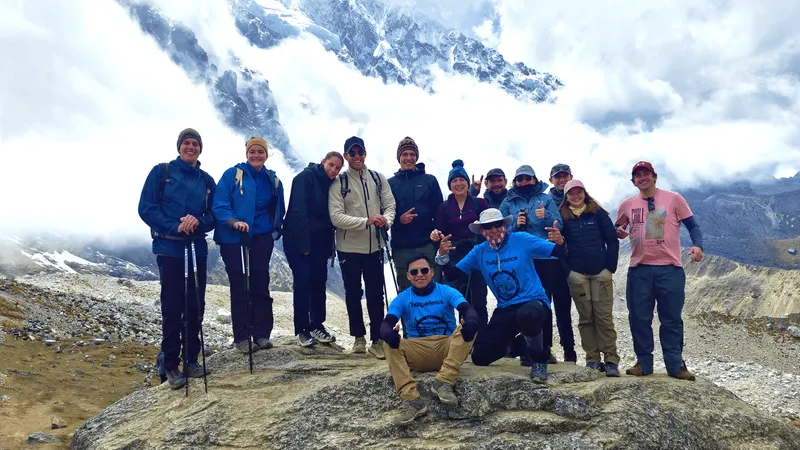
Trekkers reach town the hard way. The classic Inca Trail is 33.7 km and may only be walked with a SERNANP-licensed agency, never independently, with a trail fee of US$86.00 (S/292) for the 4-day route on top of the Machu Picchu ticket, and US$65.30 (S/222) for the 1-day route from km 104. Longer ways in are the Salkantay trek and the Inca Jungle route via Hidroeléctrica, the road-head where minibuses meet the rail line.
Average daily high by month in Celsius with the Fahrenheit reading underneath, from the ERA5 reanalysis for the model grid cell over Aguas Calientes, 1995 to 2024.
20.5°C69°F
JanuaryJan
20.4°C69°F
FebruaryFeb
20.6°C69°F
MarchMar
20.6°C69°F
AprilApr
20.2°C68°F
MayMay
19.7°C67°F
JuneJun
19.7°C67°F
JulyJul
20.2°C68°F
AugustAug
20.7°C69°F
SeptemberSep
21.1°C70°F
OctoberOct
20.9°C70°F
NovemberNov
20.7°C69°F
DecemberDec
Dry season, clearest mornings, the busiest trains and slots
Shoulder months, rain easing or building
Rainy season, the wettest months of the year
July is the driest month at 47 mm and January the wettest at 296 mm, while the average high stays between 19.7°C and 21.1°C all year, so rain, not heat, sets the season. SERNANP recommends April to October and calls November to March the rainy season. See Aguas Calientes weather by month and the best time to visit Machu Picchu.
A Day at the Ruins, Costs Compared
The Worked Day
For one adult on a standard circuit, the day has three fixed parts: the entry, the ride up and someone to explain what you are looking at. Below is that day as booked through the cards on this page. The train and the bed come on top.
A note on the official fee: the Ministry's resolution setting the foreign-visitor tariff was not located, so no official foreign price is printed here. The cards' prices are the prices you pay.
The rail leg is the biggest variable. The train card lists at US$130.00 for the ride in with pickup included, and return fares on the route vary by service and demand, so treat that as one leg's order of magnitude. If you would rather hand the whole day to someone, the ticket-plus-guided-tour card bundles official entry with a guided tour at US$136.00, with an optional round-trip bus added at booking. The full panel, with sol figures at the live rate, is on Aguas Calientes costs.
Listed prices of the cards on this page, Ministry of Culture circuit rules, PeruRail and Inca Rail luggage rules. Figures current in Q3 2026.
Turn It Into Days
Three ready-made shapes cover nearly every visit, from a single rushed day to a trek arrival with a full day to spare.
One Day in Town
A single-day plan built around one timed circuit. It sequences the train in, the bus up, the 2 hours 30 minutes inside, the free museum window from 12:00 to 16:00 and the hot springs, with the train out timed to the last leg.
Two nights turn the trip from a dash into a visit. Day one takes an early standard circuit and the afternoon museum. Day two holds the mountain entry at 07:00 or 10:00, the summit return by 13:00, and a slower final morning in town.
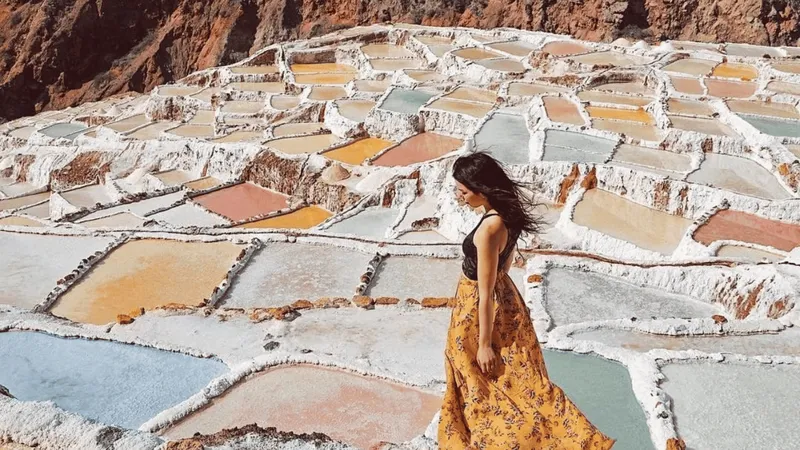
The Sacred Valley is usually squeezed in on the way, and a 2-day tour does exactly that: the Salt Mines, Maras, Moray, Urubamba and Ollantaytambo on day one, then Machu Picchu on day two with the night in between. Bundled transport removes the timetable juggling.
Four cards cover the other ways people arrive: the packaged day from Cusco, the two-day Sacred Valley combination, and the two great trek approaches, the Salkantay and the Inca Jungle route. Listed prices are the platforms' US-dollar figures.
from $332.00
From Cusco: Full-Day Group Tour of Machu Picchu
★★★★★★★★★★4.7(2,302 reviews)· 12 hours
Peru Andes Top runs a full 12-hour day from Cusco, small group, with hotel pickup, and the tour is non-refundable once booked. It's the most-reviewed Machu Picchu day trip on this list by a wide margin.
From Cusco: Sacred Valley & Machu Picchu 2-Day Tour by Train
★★★★★★★★★★4.9(151 reviews)· 2 days
Fly Cusco Peru covers the Salt Mines, Maras, Moray, Urubamba, Ollantaytambo and a local house visit in Chinchero on day one, then Machu Picchu on day two, in a small group capped at 10 with hotel-door pickup in Cusco. It's non-refundable once booked.
Machu Picchu: 5-Day Salkantay Trek with Panoramic Train
★★★★★★★★★★4.9(111 reviews)· 5 days
TreXperience crosses the Salkantay Pass past the turquoise Humantay Lake, with glamping and a campsite overlooking Machu Picchu at Llactapata, a Pachamanca feast and coffee tasting along the way, then returns on the panoramic Vistadome or 360-degree train. Small group, capped at 16, and non-refundable once booked.
Encuentros Peru Adventure bikes down from Abra Malaga, hikes through cloud forest and jungle, and includes 3 nights of accommodation, full-suspension mountain bikes with pads and helmet, and all meals. Rafting and ziplining are optional add-ons at roughly $40 more, not part of the base price.
rafting and zipline are optional extras, roughly $40 more, not included in the base $429 price
Prices, ratings and details are the platform's own. Dollar figures are the listed prices. The platform bills in your account's currency.
Six Questions Before You Go
Each answer is a fact and a consequence, and each links to the page that owns the full detail.
Which circuit should I book?
Circuit 2 Classic is the only one that walks the Main Temple and the Temple of the Three Windows, so first-timers default to it. Circuit 1 Panoramic carries the big views and the Machu Picchu Mountain, Sun Gate and Inca Bridge routes. Circuit 3 Royalty holds Huayna Picchu and the Temple of the Sun. You get one route, one slot and 2 hours 30 minutes inside. The three circuits compared
What if the tickets are sold out?
The Ministry's office in Aguas Calientes sells up to 1,000 tickets a day in person, valid for the next day only, never the same day. So a sold-out date can still be rescued by staying the night and queuing early for the following day. When tickets sell out
Huayna Picchu or Machu Picchu Mountain?
Huayna Picchu is the peak in every photograph, with entries at 07:00 or 10:00. Machu Picchu Mountain is the peak on the opposite side of the site, entering at 07:00 or 09:00. Both require the summit return by 13:00 and allow no tolerance at the control. The two mountains compared
PeruRail or Inca Rail?
PeruRail boards at Cusco San Pedro, 4 h 30 min out, at Poroy, 3 h 30 min, and at Ollantaytambo. Inca Rail runs from Ollantaytambo only, 60 km and about 2 h 10 min, on three tiers named The Voyager, The Prime and The 360 Degree. Both enforce one carry-on of at most 8 kg per passenger. PeruRail against Inca Rail
Will the altitude hit me?
The town sits at about 2,040 m and the ruins' gate at 2,430 m, lower than Cusco, so most people find the town easier than the city they arrived from. The climbs add height, and Huayna Picchu tops out well above the gate. Arrive in Cusco a day or two early, then come down the gorge. Altitude in the gorge
Is it worth it in the rainy season?
SERNANP calls November to March the rainy season, and the numbers back it up, with 296 mm in January against 47 mm in July. The average high barely moves, so the rain is the cost. Pack a rain shell and plan the walks for the morning. Rainy season, worth it
Aguas Calientes Questions
Where is Aguas Calientes?
In the Cusco Region of Peru, in Urubamba Province, on the Vilcanota River at the bottom of the gorge directly below the ruins of Machu Picchu. The town sits at about 2,040 m and the site gate at 2,430 m, about 390 m higher, our sum. It lies about 111 km from Cusco by rail. The town map shows the station, bus stop and market blocks, and the altitude question is covered at Aguas Calientes altitude.
Are Aguas Calientes and Machu Picchu Pueblo the same place?
Yes. Machupicchu Pueblo is the official name of the district created on 1 October 1941, and Aguas Calientes is the everyday name, meaning hot waters after the town's springs. Train tickets, signs and the station all say Machu Picchu, locals and travellers both say Aguas Calientes, and they refer to the same town of about 4,525 people. More on the site above it at Machu Picchu.
How do you get to Aguas Calientes?
By train or on foot, there is no road. PeruRail runs from Cusco San Pedro, 4 h 30 min, from Poroy, 3 h 30 min, and from Ollantaytambo, and Inca Rail runs from Ollantaytambo, 60 km away and about 2 h 10 min. Trekkers walk in on the Inca Trail, the Salkantay or the Inca Jungle route via Hidroeléctrica. Read Cusco to Aguas Calientes and the train page.
How far is Aguas Calientes from Machu Picchu?
The citadel gate stands at 2,430 m, about 390 m above the town at about 2,040 m, our sum. The bus up the Hiram Bingham road's hairpins is a ride the booking card lists at 30 minutes. On foot it is about 90 minutes up the stair path, a figure from Wikipedia. Both options, with tickets and timing, are on Aguas Calientes to Machu Picchu and the bus page.
How many nights do you need in Aguas Calientes?
One night covers a single early circuit plus the museum or the hot springs. Two nights are the sweet spot, because a Huayna Picchu or Machu Picchu Mountain ticket with a 07:00 or 10:00 entry is only realistic from a bed in town, and the summit return is due by 13:00. Day trippers from Cusco ride about 4 h 10 min each way for 2 hours 30 minutes inside. Compare the plans at Aguas Calientes in 1 day and in 2 days.
The entry ticket, because circuits and slots sell out and everything else is arranged around it. Start with the official Machu Picchu entrance ticket at US$43.00, then add the bus transfer booked ahead at US$19.00 so you skip the booth line in town. A guide comes third, booked as the group tour or bundled. Only then fix the train, and leave the big bag behind under the 8 kg rule.
Walk the Town Before You Go
Three walks filmed in Aguas Calientes, so you know the railway street, the river and the plaza before the train pulls in.
Walking Around Aguas Calientes, the Gateway to Machu Picchu
A continuous walk through the town, along the tracks and the main streets.
Video: Walking Expedition
Aguas Calientes City Walk: the River, the Market and the Main Square
The Vilcanota riverside, the market blocks and the Plaza de Armas on foot.
Video: SIDEQUEST CAM
24 Hours in Aguas Calientes: Hot Springs and Waterfall
A day in town between the thermal pools and a forest waterfall walk.
Video: Wanderlust Wellman
The entry ticket sets the day, the train has to fit around it, and the mountain tickets go first. Fix the order and the trip falls into place.
Free cancellation terms shown on every card where the platform lists them
The office, phone and email above belong to the city's own visitor service, published on the official tourism site and checked on 2026-09-25 — they are not this site's contact details. To reach us, use the contact page.
 Aguas Calientes City Guide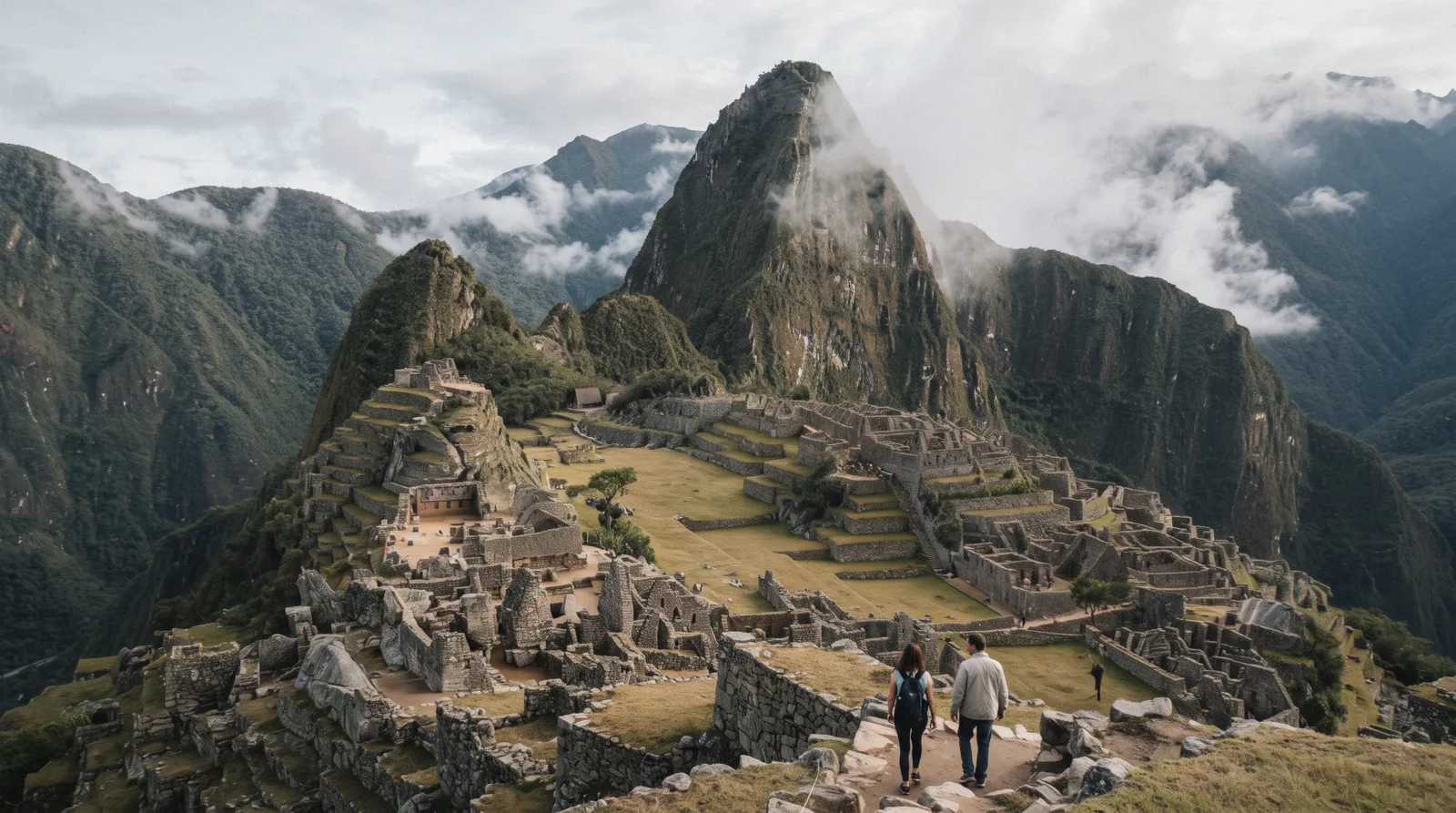
 from $43.00